Why Households Prefer Small Senior Care Residences for Dementia and Daily Care
Business Name: BeeHive Homes of Enchanted Hills
Address: 6336 Enchanted Hills Blvd NE, Rio Rancho, NM 87144
Phone: (505) 221-6400
BeeHive Homes of Enchanted Hills
BeeHive Homes of Enchanted Hills offers Assisted Living for your loved ones. 24x7 care in the comfort of a private room with bath. Meals are family style and cooked fresh each day. Stop by today and visit, and see why we always say "Welcome Home!
6336 Enchanted Hills Blvd NE, Rio Rancho, NM 87144
Business Hours
Choosing care for an aging parent is rarely a tidy, logical decision. It is psychological, time‑sensitive, and loaded with trade‑offs that do not fit neatly into pamphlets. Over the last years, I have actually fulfilled lots of households who began by visiting big assisted living communities, only to silently pivot toward small senior care homes tucked into normal residential communities. The factors for that shift are rarely about glossy amenities. They are generally about the realities of dementia, frailty, and everyday life.
This post looks carefully at why small senior care homes have actually ended up being a preferred alternative for lots of people who need dementia assistance and hands‑on everyday care. The focus is useful: what in fact works at 2 a.m., what households observe after the very first couple of months, and what in some cases goes wrong if the match is not right.
What small senior care homes actually are
Terminology is confusing, partially because guidelines vary from one state to another and country to country. In numerous locations, small homes are licensed under the same statutes as assisted living, residential care, or board‑and‑care. The typical thread is scale and setting.
Instead of a large school with dozens or hundreds of locals, a small senior care home typically serves in between 4 and 12 people. The structure is typically a transformed single‑family home in a regular neighborhood. Bed rooms may be private or semi‑private. Shared areas look more like a family living room and dining area than a hotel lobby.
Staffing patterns are various from big facilities. Caregivers in small homes are generally universal employees. The very same individual may help with bathing, prepare a simple meal, and sit at the table helping with lunch. There is less division between "care," "activities," and "hospitality," which can be an advantage for somebody living with dementia.
Many of these homes can provide a complete variety of elderly care short of on‑site nursing: assistance with dressing, continence care, medication management, supervision for roaming danger, and support with movement. Some likewise provide short‑term respite care for households who require a safe place throughout a hospital healing or caretaker break.
Not all small homes are alike, however. Some specialize in innovative dementia. Others lean toward relatively independent citizens who require help mostly with meals and medications. Part of the work for households is understanding how the home defines its own niche.
Why scale matters so much for dementia
Dementia modifications how a person processes noise, motion, and social details. An area that feels "vibrant" to a healthy adult can feel disorderly to someone with memory loss or impaired spatial awareness. This is where small senior care homes often shine.
In a house with 6 or 8 residents, patterns are much easier to preserve. Breakfast normally looks the same every day. The table remains in the exact same spot, the exact same caretaker puts the coffee, the same cupboard holds the cups. For an individual with dementia, that predictability reduces stress and anxiety and reduces the need for consistent cueing.
There is likewise less "visual sound." Corridors are brief. People are familiar. You can see the kitchen area from the living-room. There are less strangers walking through for trips, shipments, or activity programs. For residents who end up being distressed in crowds or open areas, the smaller scale can be a relief.

Families frequently tell me that their relative, who appeared withdrawn in a large assisted living community, becomes more engaged after moving into a smaller setting. They might begin assisting fold towels or set the table due to the fact that it looks like a real household job, not a staged activity. The intimacy of the environment welcomes participation instead of passive observation.
Of course, small environments are not instantly calm. An over‑stimulating tv, a loud roommate, or a constant stream of visitors can still overwhelm. The distinction is that in a small home, it is much easier for personnel to observe and adjust quickly, due to the fact that everything occurs within sight and earshot.
The human side of daily care
The most compelling benefit of small senior care homes, in my experience, is connection of relationships. In a large building, staffing schedules rotate across units and shifts. A resident with dementia might communicate with a lots or more caretakers in a single week. Even the most devoted team member struggles to understand personal choices deeply when spread out across 30 or 40 residents.
In a small home, the caregiving team is smaller and more stable. A resident may consistently see the very same 3 or 4 caretakers. That stability matters when you need intimate help with bathing, toileting, or consuming. It reduces the worry and resistance that can accompany individual look after someone who can not totally comprehend why a complete stranger is undressing them.
I keep in mind a female in her late seventies, let us call her Maria, who had moderate Alzheimer's disease. She ended up being agitated whenever staff tried to help her shower in a big assisted living memory unit. With lots of citizens on the schedule, personnel had limited time to slowly build trust and adapt. After she transferred to a small home, one caregiver took the lead and was always the "bath assistant." Over a couple of weeks, that caretaker learned Maria's preferred water temperature level, the sequence that made her feel safe, and even a favorite tune from her youth. Showers ended up being uneventful. The job was the same. The difference was the relationship and the ability to personalize.
Daily care in a small home likewise tends to mix more naturally with ordinary life. Rather than a structured "activity calendar," engagement may appear like slicing vegetables at the kitchen area counter, watering plants, folding laundry, or sitting on the front deck enjoying neighborhood kids ride their bikes. These small minutes, duplicated daily, can do more for lifestyle than occasional big events.
That said, families need to take notice of how well a particular home deals with dullness and under‑stimulation. A small setting without adequate structure can slide into a pattern where homeowners invest hours in front of the television. The very best homes stabilize the comfort of home life with intentional, significant engagement.
Assisted living vs small homes: what families really notice
On paper, a certified small home and a standard assisted living community might note really similar services. Both may guarantee assist with activities of daily living, medication administration, housekeeping, meals, and some level of dementia assistance. Families often ask, "If the services are the same, why do individuals state small homes feel so different?"
Key differences that families frequently report include:
- Atmosphere: Small homes frequently feel like visiting a relative, while bigger assisted living structures can feel more like hotels or clinics.
- Staff interaction: Caretakers in small homes generally have more time per resident and can remain in conversation without feeling they are "behind on a corridor."
- Flexibility: Homes with a handful of residents can more easily change mealtimes, regimens, and even menu items to private preferences.
- Visibility: In a small home, nearly whatever is within a brief walk. Households can see how personnel interact with everybody, not just their own relative.
- Transitions: Relocations within the building (for instance, from assisted living to a different memory care wing) are less common in small homes, due to the fact that the whole house currently works at a greater assistance level.
The contrast is not constantly in favor of the smaller choice. Large assisted living neighborhoods might be much better geared up for robust on‑site physical treatment, arranged outings, beauty salons, and a broader variety of structured programs. For elders who are still rather social and mobile, that can be a major plus.
The question is not which model is "better" but which environment fits the individual's current and likely future needs.
Why small homes fit sophisticated dementia particularly well
As dementia advances, the concern often shifts from broad social engagement to convenience, safety, and emotional security. At that phase, families tend to value the following aspects of small senior care homes.
senior careConsistency of faces. A person with innovative dementia may not keep in mind names, but they acknowledge tone of voice, touch, and general existence. Seeing the exact same caretakers every day minimizes worry. It also helps staff area subtle changes in health, because they know what is typical for that individual.
Simplified navigation. Big structures can be disorienting even with color‑coded halls and memory cues. In a small home, walking from the bed room to the kitchen includes fewer decision points, which reduces fall risk and roaming possible. Outdoor areas, such as a fenced backyard or patio area, are simpler to supervise.
Easier adaptation to behaviors. Responsive habits like pacing, searching, or calling out prevail in sophisticated dementia. Staff in a small home can tailor the environment on the fly: turning on soft music, rerouting someone into a quiet corner, involving them in a simple job. They are less constrained by institutional regimens or repaired staffing assignments.
End of‑life familiarity. Numerous households find it soothing that their loved one can remain in the same bed, surrounded by the same caretakers, through the last phase of life, frequently with hospice services layered in. Transferring someone in late‑stage dementia to a new and unknown center can be deeply destabilizing.
There are limitations, obviously. If somebody's medical intricacy exceeds what unlicensed or minimally certified caregivers can manage, a skilled nursing facility might be more secure. Some small homes partner carefully with going to nurses and hospice teams to bridge that gap, while others can not. Families need to ask specific questions about what happens when medical needs increase.
How small homes support families, not just residents
A good small senior care home does not simply care for the resident; it absorbs the family into its orbit. That frequently feels various from the experience in a larger facility, where managers may alter regularly and interaction routes are formal.
In smaller settings, relative typically know every personnel individual by first name, including the over night shift. They see supervisors in your home, not just in a workplace. When something modifications with Mom's appetite or Dad's sleep, the upgrade tends to come rapidly and personally. That constructs trust, which is priceless for families juggling guilt, sorrow, and useful logistics.
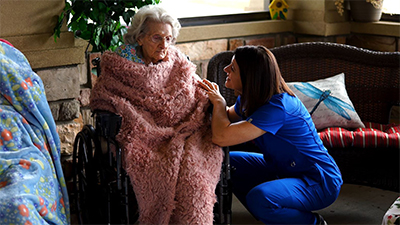
Respite care is one area where small homes are particularly valuable. Some accept short stays of a week or a month, enabling exhausted family caregivers to recharge or travel. Because the environment is home‑like and not overwhelming, individuals with dementia are more likely to endure the short-term change without extreme distress. And if the respite stay goes especially well, it often becomes a trial run for longer‑term placement.
Financial openness can likewise be clearer in smaller homes. Rather of layered cost structures with add‑on charges for every single new service, lots of small homes use an all‑inclusive everyday or month-to-month rate that covers normal elderly care requirements. Households still need to inquire about bonus, such as incontinence products, transport, and hairstyles, however the baseline is typically more straightforward.
Trade offs and restrictions to keep in mind
If small senior care homes were best, every family would flock to them. They are not. Understanding the disadvantages upfront assists you make a realistic, durable choice.
Amenities and stimulation. Individuals who flourish on variety may discover a small home confining. There is no on‑site theater, art studio, or restaurant. Trips depend upon personnel schedule and transportation logistics. A resident utilized to an active assisted living way of life may feel their world has diminished unless the home is intentional about neighborhood involvement.
Medical support. Even when accredited for assisted living level care, the majority of small homes do not have full‑time nurses on site. They count on on‑call nurses, going to practitioners, and local clinics. For somebody with unsteady cardiac, breathing, or wound problems, that arrangement may be insufficient. You require clearness on how the home deals with immediate medical changes, medical facility transfers, and return‑from‑hospital care.
Regulatory irregularity. In some jurisdictions, oversight of small residential care homes is less robust than for large facilities. That does not immediately mean lower quality, however it increases the importance of your own due diligence. Ask about inspection history, personnel training, and how the home deals with problems or incidents.

Staffing threats. While continuity is a strength, an extremely small group is susceptible to interruption. If 2 key caregivers leave, the entire environment can move. Ask how the provider recruits, trains, and supports staff, and what their backup plan is throughout disease or turnover.
Family characteristics. The intimacy that many households enjoy can also feel exposing. There is less privacy than in a huge building. Stress in between resident households, or distinctions in expectations, might feel more individual in a six‑bed home than in a 120‑apartment community.
How to assess a small senior care home
Tours and sales brochures have limits. The strongest predictors of an excellent fit are frequently discovered in the information you observe when personnel are not trying to impress you. When checking out, focus more on the daily rhythm and interactions than on décor.
Here is a brief, useful set of questions to guide your assessment:
- How many caregivers are on task during the day, evening, and overnight, and how many locals do they support?
- What specific training and experience do staff have with dementia, movement issues, and tough behaviors?
- How are medical requirements managed, including medication management, urgent scenarios, and coordination with physicians or hospice?
- What does a typical day appear like for someone with your loved one's capabilities, consisting of meals, rest, and engagement?
- Under what situations would the home ask a resident to leave, and how much notice would they give?
Ask to visit more than as soon as, at different times of day. Late afternoon and early evening, when locals are tired and staff are busy, can be revealing. Take note of smells, sound levels, and whether staff speak respectfully when they believe nobody is listening.
If possible, talk with another family whose relative lives there. Ask what shocked them after move‑in, what they want they had actually understood previously, and how the home reacted when something went wrong.
Cost, value, and reasonable expectations
Families often assume smaller need to mean more expensive. In reality, pricing differs extensively, and small homes can in some cases be similar to, or perhaps more cost effective than, large assisted living neighborhoods of comparable care level. Several elements influence cost.
Staff to‑resident ratio is a significant driver. A home that keeps one caretaker for every three or 4 locals all the time will cost more than a facility where one caretaker is responsible for a lots people during the night. Greater ratios, nevertheless, frequently translate into better outcomes for individuals with dementia who need regular cueing and supervision.
Location matters also. Homes in thick metropolitan locations with high property and labor expenses will generally charge more than those in far-flung suburban areas or rural towns. Licensing category, personal or shared rooms, and whether prices is all‑inclusive or tiered based upon care requirements likewise affect the bottom line.
When comparing alternatives, it assists to look past the raw dollar figure and consider what you are buying. That includes lowered hospitalizations, fewer emergency situation crises in the house, and the intangible but extremely real worth of household assurance. I have actually worked with caregivers who spent months trying to keep someone at home with patchwork supports, just to realize later on that the cumulative cost and psychological toll far surpassed what a well‑chosen small home would have required.
At the same time, expectations should stay grounded. A small home can not eliminate the progression of dementia. There will still be tough days, behavioral modifications, and medical crises. The real procedure of quality is how the home reacts when things fail: with perseverance, sincere communication, and a desire to adjust, or with blame and defensiveness.
When a bigger setting may be the better choice
Although this short article focuses on reasons families prefer small homes, it would be misleading to provide them as the default response in every situation. Larger assisted living or specialized memory care neighborhoods have strengths that can be decisive.
They frequently use more robust on‑site scientific existence, particularly if they utilize full‑time nurses, therapists, or going to doctors. For an elder with both dementia and complex persistent health problems, that integrated support can lower emergency clinic visits.
Activity shows in bigger communities tends to be more comprehensive. If your relative still delights in shows, group workout, spiritual services, or trips to museums and dining establishments, a huge campus with devoted life enrichment personnel may keep them more engaged. Some people with early‑stage dementia find peer interaction in such environments energizing instead of overwhelming.
Families likewise in some cases value the clear separation of roles in larger settings. There are devoted housekeepers, dining personnel, and upkeep groups. Demands go through known channels. While that can feel governmental, it can likewise imply issues are attended to by people whose sole job is to repair them.
The choice point frequently gets here when dementia advances and the stimulation that when helped begins to overwhelm. At that phase, some homeowners transition from the larger neighborhood into a smaller, quieter home, either on the exact same campus or in other places in town. Planning ahead for that possibility can prevent hurried moves after a crisis.
Pulling it together for your family
If you are weighing options for assisted living, dementia support, or short‑term respite care, it assists to think less in regards to building labels and more in terms of fit.
Ask yourself how your loved one has actually lived throughout their life. Were they most at home in small, familiar circles, or did they draw energy from bustling environments? Do they feel safer when they can see and hear whatever going on around them, or do they prefer retreat and quiet? How do they respond to noise, modification, and complete strangers right now, not ten years ago?
Then take a look at your own capability and needs as a family caretaker. A well‑chosen small senior care home can become an extension of your family, absorbing a few of the physical work and emotional stress while you remain present as a kid, daughter, partner, or buddy. It is not a failure to accept that help. For lots of elders, it is the arrangement that best safeguards their self-respect as dementia and frailty progress.
The strongest choices come when families take time to visit multiple settings, ask tough concerns, and listen not just to what the personnel state, but to how their loved one reacts to the environment. For many years, I have watched lots of households breathe out with relief when they discover that peaceful home on a tree‑lined street, where the living room smells like soup on the stove and someone who knows their parent by name is carefully helping them to the table.
That is usually when they realize why a lot of individuals, facing the very same agonizing decisions, wind up choosing the scale and soul of a small senior care home for dementia and daily care.
BeeHive Homes of Enchanted Hills provides assisted living care
BeeHive Homes of Enchanted Hills provides memory care services
BeeHive Homes of Enchanted Hills provides respite care services
BeeHive Homes of Enchanted Hills supports assistance with bathing and grooming
BeeHive Homes of Enchanted Hills offers private bedrooms with private bathrooms
BeeHive Homes of Enchanted Hills provides medication monitoring and documentation
BeeHive Homes of Enchanted Hills serves dietitian-approved meals
BeeHive Homes of Enchanted Hills provides housekeeping services
BeeHive Homes of Enchanted Hills provides laundry services
BeeHive Homes of Enchanted Hills offers community dining and social engagement activities
BeeHive Homes of Enchanted Hills features life enrichment activities
BeeHive Homes of Enchanted Hills supports personal care assistance during meals and daily routines
BeeHive Homes of Enchanted Hills promotes frequent physical and mental exercise opportunities
BeeHive Homes of Enchanted Hills provides a home-like residential environment
BeeHive Homes of Enchanted Hills creates customized care plans as residents’ needs change
BeeHive Homes of Enchanted Hills assesses individual resident care needs
BeeHive Homes of Enchanted Hills accepts private pay and long-term care insurance
BeeHive Homes of Enchanted Hills assists qualified veterans with Aid and Attendance benefits
BeeHive Homes of Enchanted Hills encourages meaningful resident-to-staff relationships
BeeHive Homes of Enchanted Hills delivers compassionate, attentive senior care focused on dignity and comfort
BeeHive Homes of Enchanted Hills has a phone number of (505) 221-6400
BeeHive Homes of Enchanted Hills has an address of 6336 Enchanted Hills Blvd NE, Rio Rancho, NM 87144
BeeHive Homes of Enchanted Hills has a website https://beehivehomes.com/locations/enchanted-hills/
BeeHive Homes of Enchanted Hills has Google Maps listing https://maps.app.goo.gl/5LqAWwumxTEeaW5p7
BeeHive Homes of Enchanted Hills has Instagram page https://www.instagram.com/beehivehomesriorancho/
BeeHive Homes of Enchanted Hills has an YouTube page https://www.youtube.com/@WelcomeHomeBeeHiveHomes
BeeHive Homes of Enchanted Hills won Top Assisted Living Homes 2025
BeeHive Homes of Enchanted Hills earned Best Customer Service Award 2024
BeeHive Homes of Enchanted Hills placed 1st for Senior Living Communities 2025
People Also Ask about BeeHive Homes of Enchanted Hills
What is BeeHive Homes of Enchanted Hills Living monthly room rate?
The rate depends on the level of care that is needed. We do a pre-admission evaluation for each resident to determine the level of care needed. The monthly rate is based on this evaluation. There are no hidden costs or fees
Can residents stay in BeeHive Homes until the end of their life?
Usually yes. There are exceptions, such as when there are safety issues with the resident, or they need 24 hour skilled nursing services
Do we have a nurse on staff?
No, but each BeeHive Home has a consulting Nurse available 24 – 7. if nursing services are needed, a doctor can order home health to come into the home
What are BeeHive Homes’ visiting hours?
Visiting hours are adjusted to accommodate the families and the resident’s needs… just not too early or too late
Do we have couple’s rooms available?
Yes, each home has rooms designed to accommodate couples. Please ask about the availability of these rooms
Where is BeeHive Homes of Enchanted Hills located?
BeeHive Homes of Enchanted Hills is conveniently located at 6336 Enchanted Hills Blvd NE, Rio Rancho, NM 87144. You can easily find directions on Google Maps or call at (505) 221-6400 Monday through Sunday 9:00am to 5:00pm
How can I contact BeeHive Homes of Enchanted Hills?
You can contact BeeHive Homes of Enchanted Hills by phone at: (505) 221-6400, visit their website at https://beehivehomes.com/locations/enchanted-hills/ or connect on social media via Instagram TikTok or YouTube
Enchanted Hills Park offers open green space and paved walking paths where residents in assisted living, memory care, senior care, elderly care, and respite care can enjoy gentle outdoor activity.